
As of 1 January 2026, amendments to the International Code for the Safe Carriage of Grain in Bulk (the Grain Code) have entered into force. The revision formally recognizes an additional grain loading condition that reflects how grain cargoes are sometimes loaded in practice, where a hold is not fully trimmed at the ends but is sufficiently filled and level in way of the hatch opening.
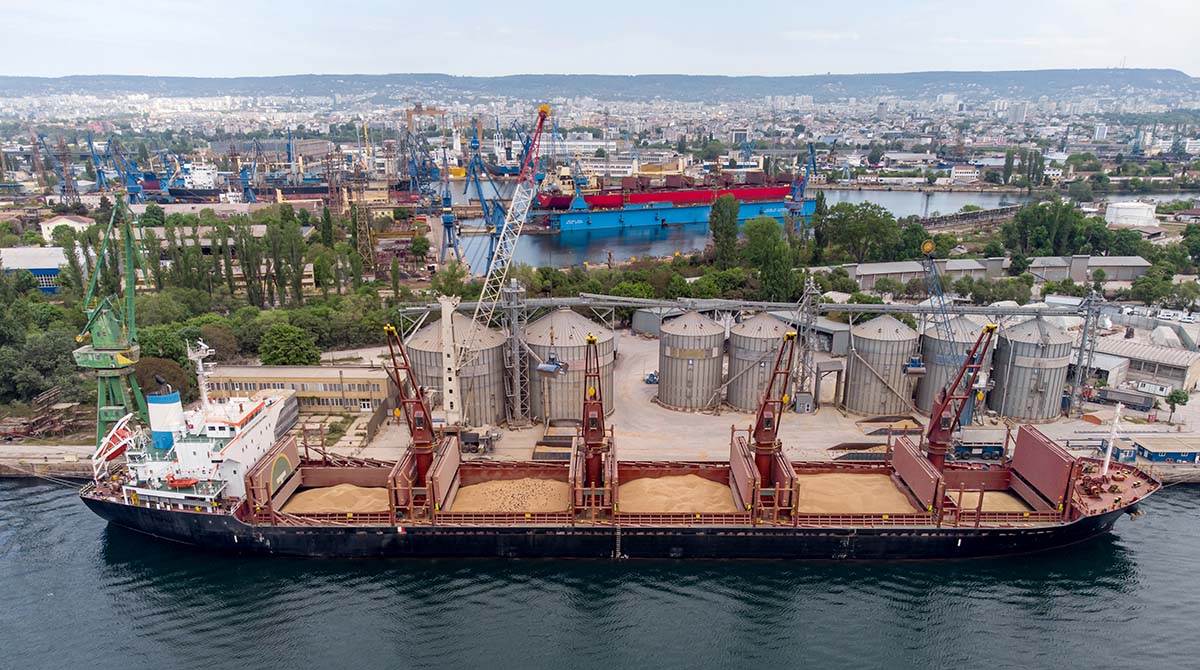
Previously, this loading configuration was not expressly addressed under the Grain Code, which in some cases led to uncertainty during loading operations and discussions with terminals or authorities. The amendment provides clarity by allowing this intermediate loading condition, provided that the vessel’s stability is properly assessed and the loading condition is covered by approved documentation.
Practical Implications for Members
The use of this loading condition is subject to the vessel’s approved stability documentation. In particular, the Grain Loading Manual must include the relevant assumptions and heeling moment values applicable to this configuration. Vessels constructed on or after 1 January 2026 are covered by the revised Code as standard, while existing vessels may only rely on this loading condition if their Grain Loading Manual (or an addendum) has been updated and approved by the relevant authority.
From an operational and P&I perspective, members should be mindful that the amendment does not remove the need for careful planning, accurate calculations and proper approvals. Loading grain in this configuration without the necessary documentation may raise questions in the event of a cargo shift, excessive list or stability-related incident. In such cases, compliance with the Grain Code and the vessel’s seaworthiness at the commencement of the voyage may come under scrutiny.
Members may wish to review their current Grain Loading Manuals and liaise with Class or Flag Administrations to confirm whether updates are required. Charterparty provisions relating to trimming, loading methods and associated time and cost implications should also be reviewed.
For further details, members are kindly referred to the full text of the Amendments to the International Code for the Safe Carriage of Grain in Bulk (Resolution Msc.23(59).
Should our members have any questions regarding the revised Grain Code or its practical implications, they are welcome to contact the NNPC claims team via claims@nnpc-marine.com for further assistance.