
Over the past week, the situation in the Strait of Hormuz has escalated significantly, with major implications for international shipping and global energy supplies. Following a fragile ceasefire and failed peace talks in Pakistan, the United States implemented a naval blockade of all Iranian ports and coastal areas on 13 April.
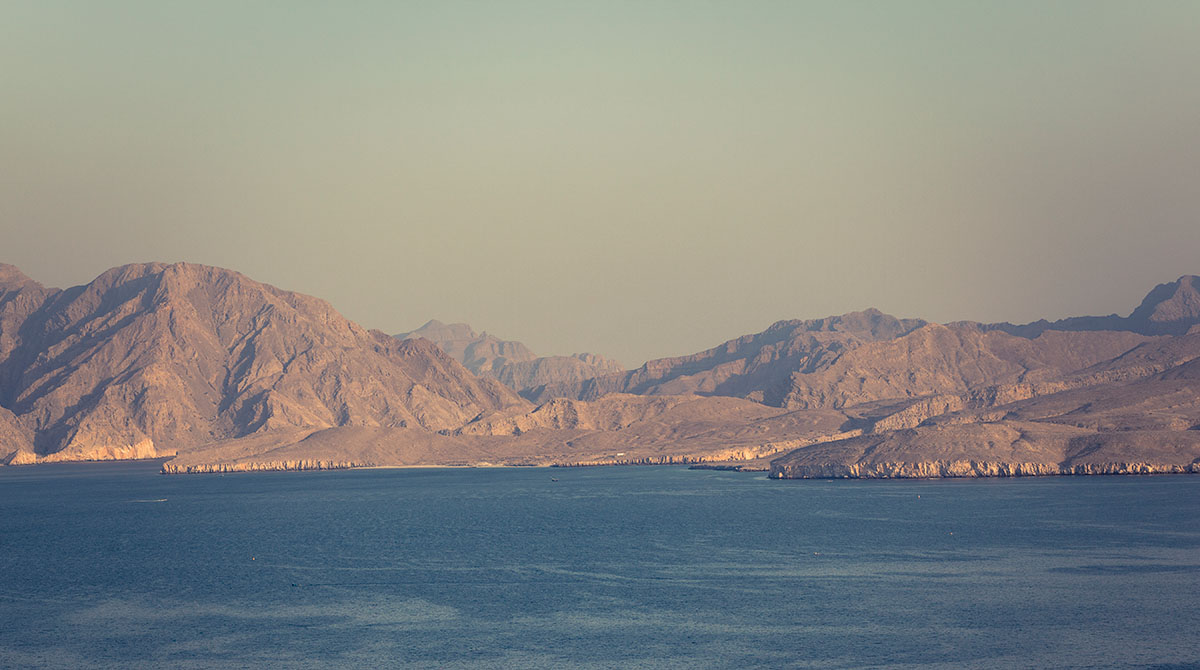
This comes after Iran maintained effective control over the strait, including selective restrictions, warnings to vessels, and reported mine-laying activities.
Key Developments in the Past Week:
- In early April, a fragile ceasefire allowed limited traffic, but transits remained near standstill: only about 5–10 vessels per day passed through the Strait of Hormuz, compared to the normal average of over 100–140. Iran continued to assert control via the IRGC, requiring coordination, directing ships near Iranian islands such as Larak, and issuing warnings amid ongoing GPS jamming and mine risks.
- Over the weekend of 11–12 April, negotiations between the US and Iran collapsed, primarily over Iran’s nuclear program and control of the strait. The United States subsequently announced the US would enforce its own blockade.
- On Monday 13 April, the US blockade took effect, targeting all maritime traffic entering or exiting Iranian ports in the Persian Gulf and Gulf of Oman. US CENTCOM emphasised that neutral transit through the Strait of Hormuz itself would not be impeded. However, several tankers altered course, while some Chinese and other supertankers continued to pass.
The dual restrictions and heightened tensions create serious navigational hazards, including potential GPS interference, mines, and targeted actions. Shipowners and operators face significantly elevated war-risk premiums and possible coverage exclusions.
Operational Recommendations:
- Avoid the Strait of Hormuz and adjacent waters where possible until the situation stabilises.
- Closely monitor advisories from UKMTO, US CENTCOM, and other maritime security organisations.
- Ensure adequate war-risk insurance is in place and notify underwriters promptly of any planned routes.
NNPC Marine Insurance continues to monitor developments closely and is available to provide advice on coverage and risk management. For specific questions regarding your policies, claims, or operational measures, please contact our team at claims@nnpc-marine.com. We will keep you informed of further updates in this rapidly evolving situation.