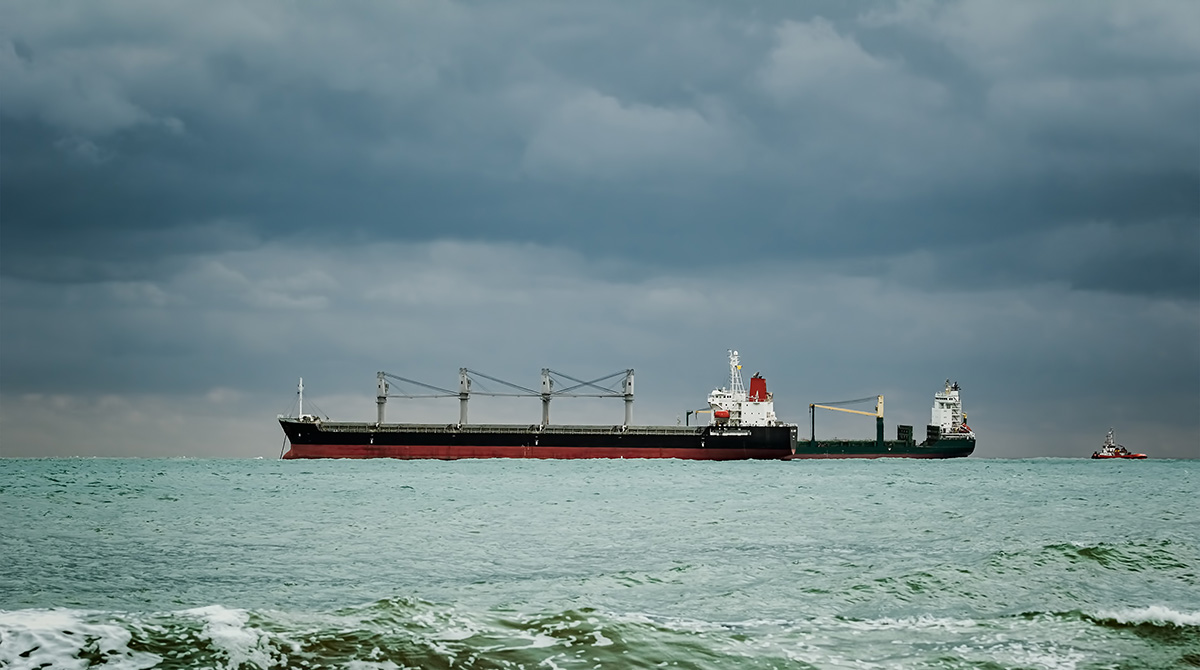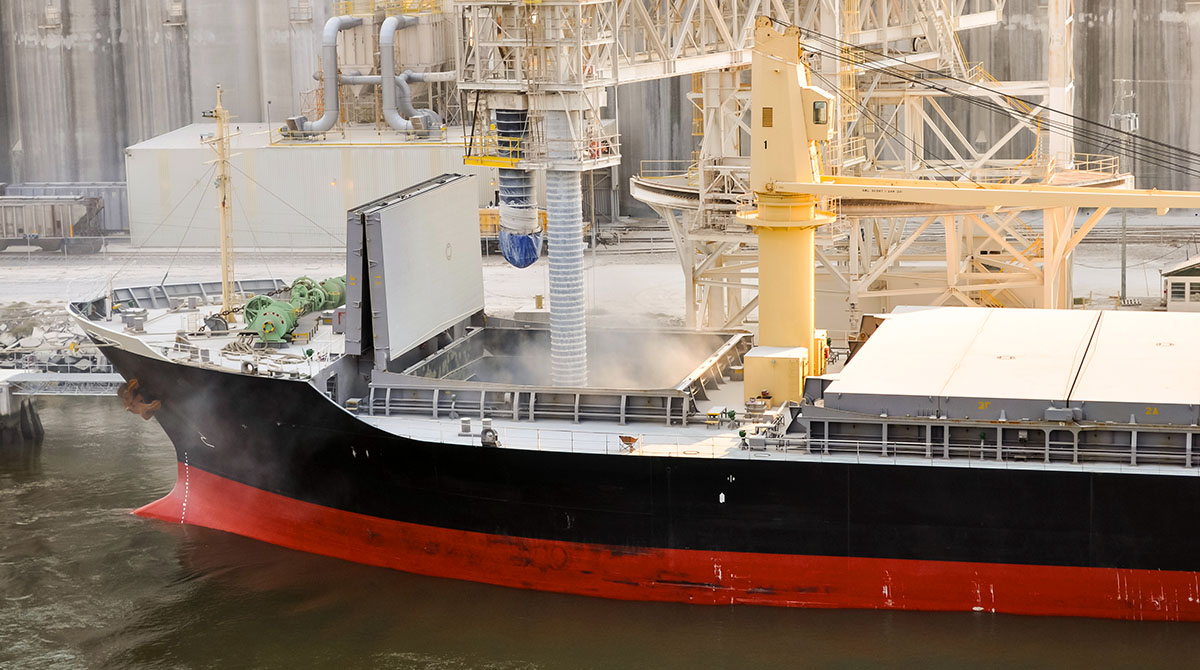

A recent claim demonstrates how a minor defect in a non-return valve can lead to substantial cargo damage and delay. Upon arrival at the discharge port, it was established when the hatches were opened that the fertiliser cargo had been contaminated with a significant amount of seawater, affecting several hundred tonnes of cargo.
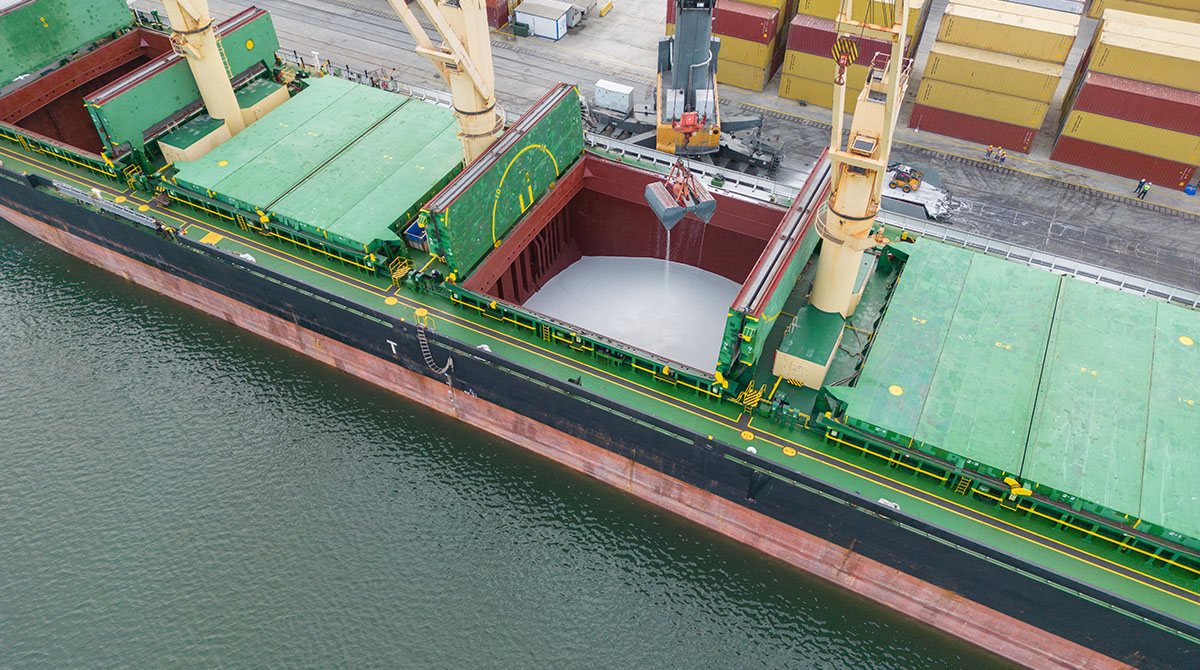
The subsequent investigation showed that the cause was a non-return valve that had been blocked by remnants of a previous cargo. As a result, the valve could not close fully and seawater was able to reach the cargo through the piping system.
Non-return valves are designed to prevent water from flowing back through the piping system into the cargo hold. Because these valves usually operate automatically and are located out of sight of the crew, wear or contamination may remain unnoticed until an incident occurs. This case underlines the importance of preventive maintenance and regular inspection of non-return valves, bilge wells, and bilge and ballast water systems, as the failure of a single valve can already be enough to allow water to enter the hold.
To reduce the risk of similar incidents, NNPC recommends the following measures:
- Strengthen Inspection, Maintenance
- Include non-return valves in planned maintenance systems including seal condition.
- Periodically dismantle and inspect valves where practicable.
- Replace worn or damaged components without delay.
- Verify correct flow direction and sealing performance.
- Improve System-Cleanliness
- Flush systems after repairs or modifications.
- Remove debris and cargo remains after completion of discharge
- Monitor filter and strainer condition and clean as required.
- Enhance Operational Awareness
- Train shipboard personnel to recognize early signs of valve malfunction.
- Investigate unexpected water presence immediately.
- Encourage prompt reporting of abnormal system behaviour.
This incident serves as a reminder that cargo contamination events are not always caused by major equipment failures. In this case, debris trapped within a non-return valve was sufficient to compromise system integrity and allow water to contaminate the cargo.
Effective maintenance, routine inspection, and verification of critical valves are essential safeguards against costly cargo damage claims. By treating non-return valves as critical barriers and ensuring they remain clean and fully functional, ship operators can significantly reduce the risk of such incidents significantly.