
The Cargo Incident Network System (CINS) has published new guidelines for the shipment of lithium-ion cells and batteries (UN 3480/3481) which are exempt from many IMDG requirements but still present significant fire and liability risks.
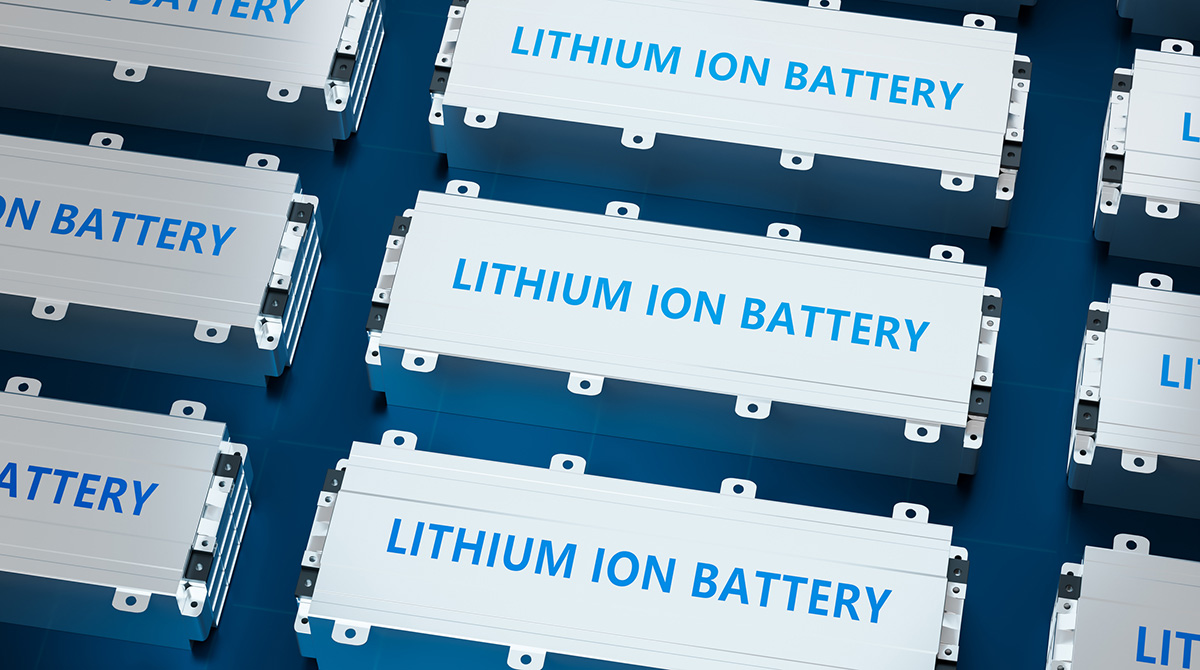
Under the IMDG Code (Amendment 42-24, mandatory since 1 January 2026), lithium-ion cells rated at no more than 20 Wh and batteries rated at no more than 100 Wh are excluded if all requirements are met. These include applicable UN 38.3 testing, quality-management, short-circuit protection, packaging and battery-marking requirements. A maximum gross mass of 30 kg per package applies unless the cells or batteries are installed in or packed with equipment. Compliant shipments generally need no dangerous-goods declaration or Class 9 label.
We are seeing an increase in the shipment of cells and batteries, both in containers and as part of project cargo shipments and note the following practical points for Members:
- Acceptance: record battery type, UN number, quantity, manufacturer, SP188 compliance and availability of the mandatory UN 38.3 test summary. Airfreight “Section II” classification is not proof of IMDG compliance. Resolve incomplete or inconsistent declarations before loading.
- Visibility and stowage: use SMDG codes LIB/LIO to identify battery cargo throughout the transport chain. For higher-risk shipments, assess on-deck stowage away from accommodation, heat and other high-consequence cargo. Terminals may consider designated areas, thermal monitoring and fire patrols.
- Preparedness: account for thermal runaway, re-ignition and prolonged cooling. On older vessel additional firefighting and thermal-imaging capability are recommended.
- Claims and recourse: Preserve contractual and statutory recourse against shippers, charterers and cargo interests. Retain booking records, correspondence, packing evidence, test summaries and stowage plans, particularly where misdeclared cargo causes fire, delay, general average or pollution.
The large-scale carriage of lithium-ion batteries is a relatively new and evolving activity. The associated risks are not yet fully understood, making a cautious approach and regular review of procedures in light of new knowledge and experience essential.
We invite members with questions regarding the carriage of lithium-ion batteries to contact us via claim@nnpc-marine.com.