
On 16 May 2025, Guyana passed the Oil Pollution Prevention, Preparedness, Response and Responsibility Act 2025. The Act introduces a strict-liability oil pollution regime that goes further than international conventions such as CLC or even the US OPA 90 in several critical respects.
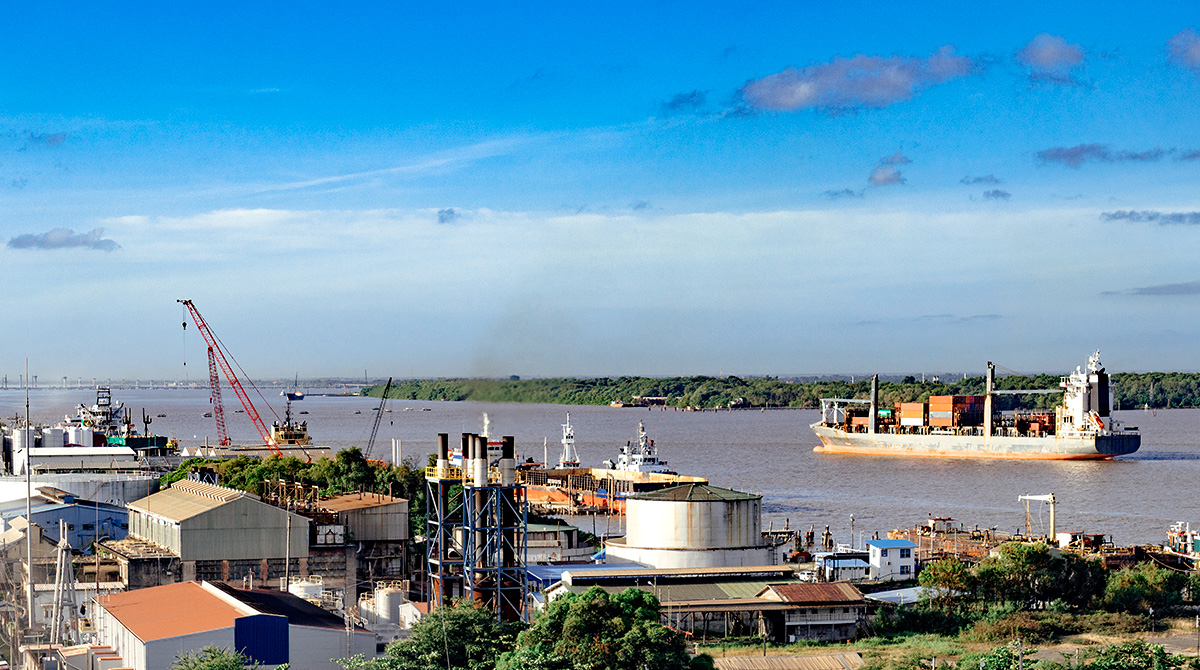
Under this law shipowners, operators and charterers (in certain circumstances) are designated as ‘Responsible Parties’ and can become liable for oil pollution damage regardless of fault or intent. Below we set out the key points for members to be aware of.
- Unlimited liability. Unlike international conventions, this new Act imposes no cap on liability for matters such as clean-up costs, environmental restoration, economic losses and government response costs. In practical terms this could have a significant financial impact. Ordinary pollution cover under P&I is capped at USD 1 billion; in theory this could now prove insufficient in Guyana
- Financial assurance – requirements still to be determined. The Act also requires vessels to demonstrate that they have ‘adequate’ financial security. However, the exact requirements have not yet been established. It is clear though that that these requirements will be assessed on a case-by-case basis, taking into account vessel type, tonnage and the nature of operations. It is not guaranteed that standard P&I cover will suffice. A system similar to the US Certificate of Financial Responsibility (COFR) regime may be introduced, requiring separate certification for vessels.
- Act not yet in force. Although the Act has been passed, it will only enter into force following a Ministerial Order. The timing of this remains unclear. NNPC Marine Insurance is monitoring developments closely and will keep members informed as further details emerge.
- Penalties for non-compliance. Vessels unable to demonstrate adequate financial assurance risk denial or withdrawal of vessel clearance, administrative fines of G$ 15 to G$ 75 million and, in serious cases, criminal prosecution.
Advice
Until the implementation rules and precise financial assurance requirements are known, we advise all members and assureds to contact a local agent prior to each call in Guyana and carry out a due diligence check. In addition, review with the agent whether your current P&I cover will meet the requirements to be imposed, or whether supplemental financial assurance will be necessary. Ensure all mandatory documentation is onboard and up to date (including SOPEP/SMPEP and IOPP Certificate).
For questions regarding insurance implications or developments on the above, please contact our team at underwriting@nnpc-marine.com.