
South Africa has published the Marine Oil Pollution (Preparedness, Response and Cooperation) Act 8 of 2025, which ratifies the 1990 International Convention on Oil Pollution Preparedness, Response and Cooperation into South African law.
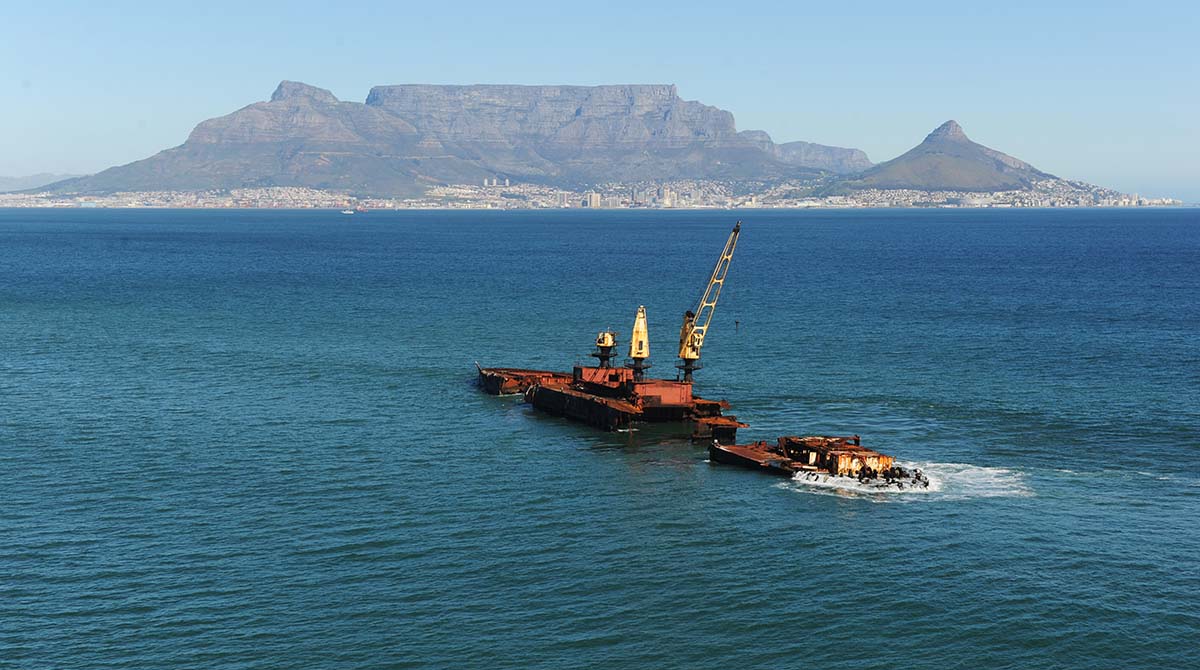
The changes form part of broader efforts to align South African maritime legislation with international environmental standards and to enhance the authorities’ ability to investigate and respond to pollution incidents in South African waters.
The Act is intended to set a clearer framework for the handling of marine oil pollution incidents, with responsibilities allocated between the authorities and industry. It introduces a national risk assessment, a national oil spill contingency plan, an incident commander system and requirements for training, equipment readiness and regional cooperation. The Act also provides for criminal offences and significant penalties in cases of pollution, non-compliance or obstruction.
For shipowners and operators, the practical point is that the Act will require greater preparedness once it comes into operation. The regulatory structure is broad and will affect not only response arrangements, but also documentation, contingency planning and coordination with the authorities. In particular, the Act provides that site-specific contingency plans must be in place before new port, oil or offshore facilities (and any new ship or fleet) are able to operate, once the national plan has been issued.
In broad terms, Members should note the following:
- the Authority will be required to carry out national risk assessments within one year of commencement and thereafter every five years or when new developments arise,
- owners and operators will also be required to conduct their own risk assessments at their own cost,
- the national oil spill contingency plan will form the basis for site-specific plans and
- failures to comply may lead to criminal liability, including fines of up to ZAR 35 million or imprisonment of up to 10 years.
Members should further note that according to Section 35 of the Act, the legislation will only “come into operation on a date fixed by the President by proclamation in the Gazette.” Accordingly, the Act is not yet in force at the time of writing.
The full text of Marine Pollution Act 8 of 2025 can be accessed via this link. We thank Tony Edwards and Quintus van der Merwe of Shepstone & Wylie in Durban, South Africa for contributing to this article.
NNPC continues to monitor regulatory developments affecting Members trading internationally. Should our Members have any questions regarding the South African pollution control framework or require assistance in connection with a pollution-related incident, the NNPC Claims team remains 24/7 available for support at claims@nnpc-marine.com or +31 (0)50 5343211.