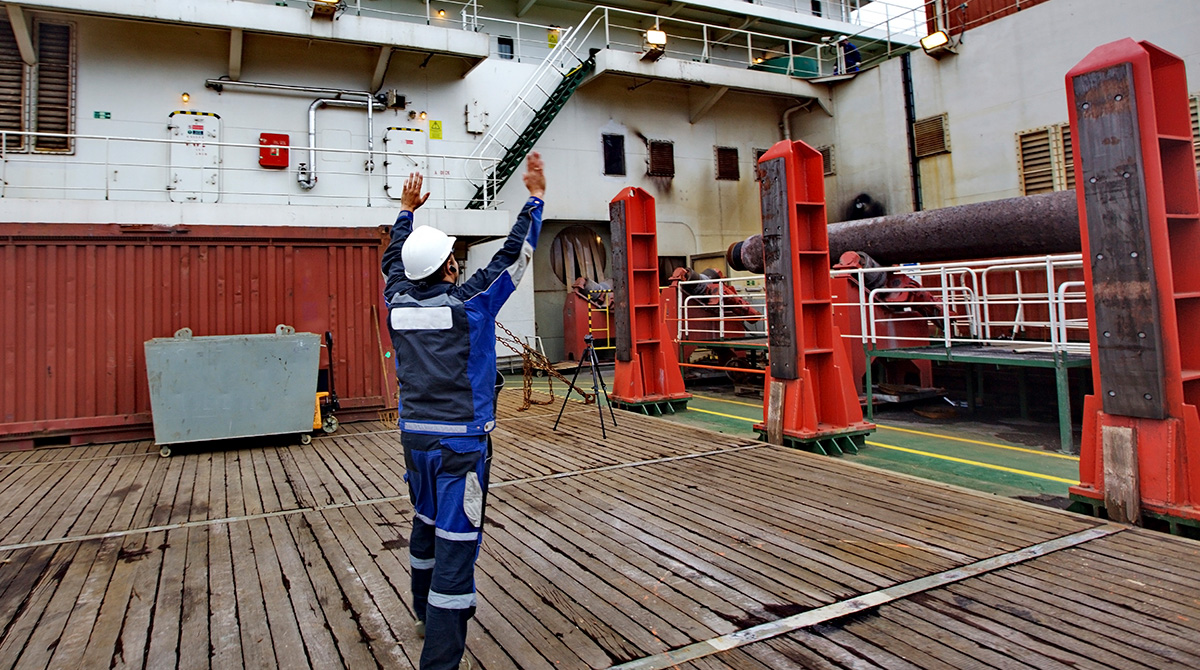

NNPC has recently handled several demurrage disputes concerning the validity of a Notice of Readiness (“NOR”) where a hold inspection, ultrasonic hatch test or other terminal acceptance procedure is required prior to loading. This issue arises particularly in the carriage of steel cargoes.
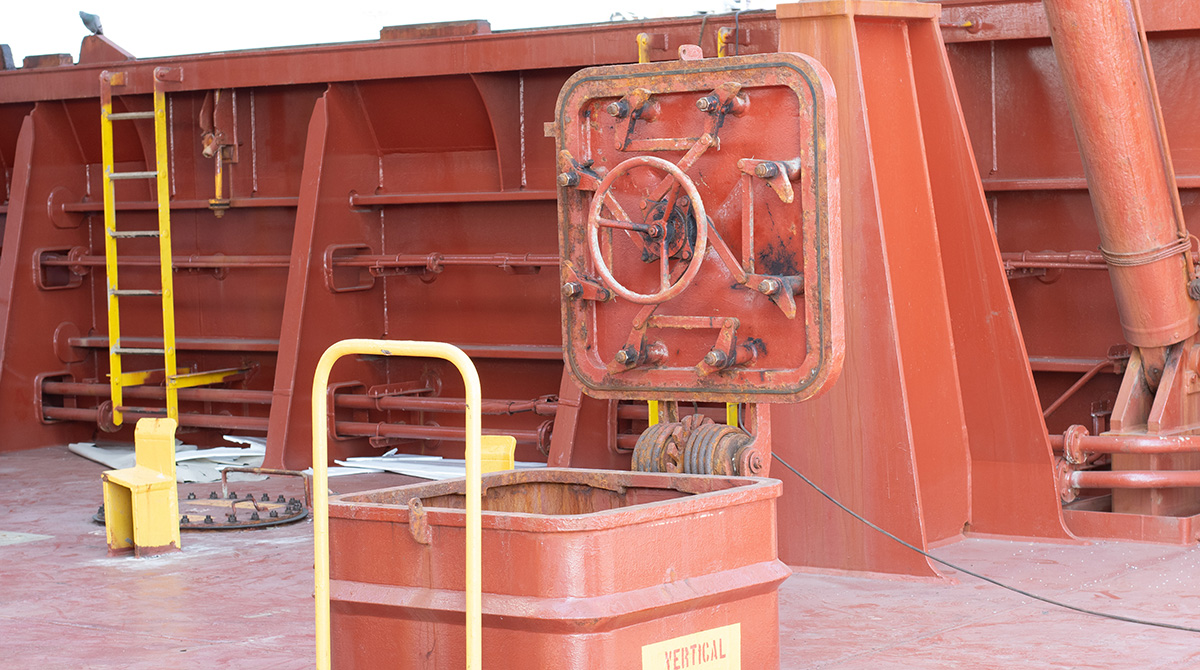
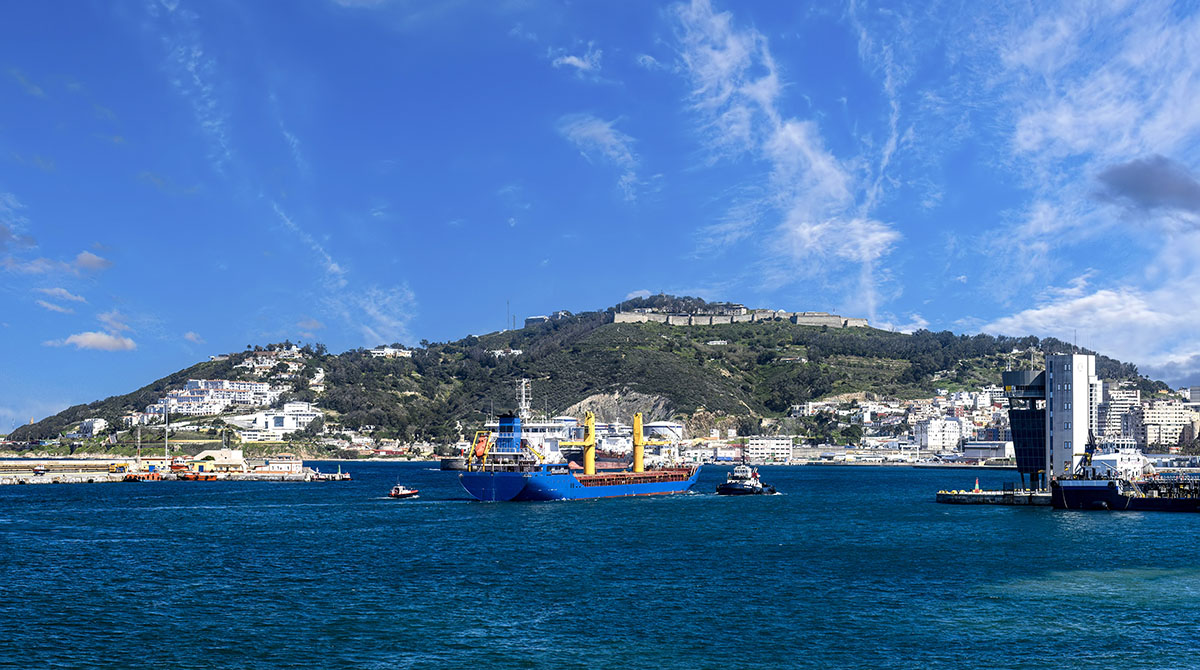
The problem typically occurs when a vessel arrives at the customary waiting place but, due to congestion, cannot proceed directly to berth. The Master tenders NOR and the vessel may then wait several days before a berth becomes available and the required inspection can take place. If the vessel subsequently fails the initial inspection, Charterers may argue that the vessel was not ready when NOR was tendered and that the NOR was therefore invalid. On that basis, they may seek to exclude not only the time required to rectify the deficiencies, but also the preceding waiting time.
This can have significant consequences. Waiting time caused by congestion, which is entirely outside Owners’ control, may retrospectively become non-counting time because of an inspection that could only be carried out at a later stage.
The Importance of Clear Contractual Provisions
Whether such an argument succeeds depends on the terms of the charterparty and the circumstances of the case. Under English law, a vessel must generally be an arrived ship and both legally and physically ready to perform the agreed cargo operations for a NOR to be valid. The charter party may, however, modify these requirements.
NNPC therefore recommends that parties expressly address the consequences of hold and hatch inspections when negotiating the charterparty. Consideration should be given to distinguishing between waiting time caused by congestion and time lost as a result of a failed inspection.
One possible rider clause is:
“If, upon vessel’s arrival at the customary waiting place, berth is unavailable due to congestion, Owners shall be entitled to tender NOR at such waiting place, and the vessel shall be deemed an arrived ship for laytime purposes. Time lost waiting for berth shall count as laytime or, if on demurrage, as demurrage. In the event the vessel is subsequently rejected following ultrasonic hatch testing, hold inspection and/or similar terminal acceptance procedures, the time between such rejection and subsequent acceptance shall not count as laytime or demurrage until the vessel is accepted. The original NOR shall remain valid, and no new NOR shall be required.”
This provision seeks to achieve a balanced outcome. Charterers are protected because time genuinely lost following a failed inspection does not count. At the same time, Owners do not risk losing potentially substantial waiting time caused by congestion merely because an inspection carried out at a later stage is initially unsuccessful.
For any questions or assistance, Members are welcome to contact the NNPC Claims Team at claims@nnpc-marine.com.